Wild camping: Enjoy freedom – Know the rules
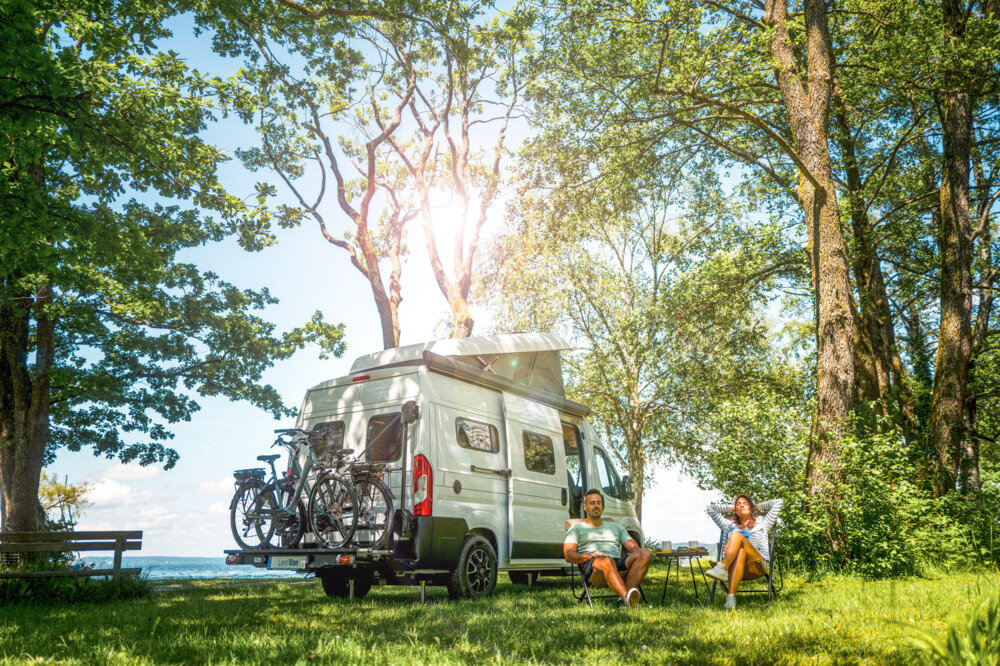
Sleeping beneath the stars, listening to the rustle of trees, enjoying your first coffee with a view of nature – wild camping stands for adventure and independence. But this freedom also comes with responsibility: if you set off unprepared, you risk fines, conflicts or damage to nature. In this article, you’ll learn what to look out for so that your tour will be a memorable experience for all the right reasons.

The essentials at a glance
- Dos: Find out information in advance, treat nature and local residents with respect, always leave your pitch clean and tidy.
- Don’ts: Ignore prohibition signs, cause noise, pollute the environment.
- With suitable AL-KO VT solutions, such as support systems, anti-theft devices and the semi-active suspension COMFORT DRIVE, you'll travel safely, comfortably and stress-free.
Wild camping regulations in Europe: What’s allowed?
Before you set off, it’s worth checking the legal regulations. In Germany, spending one night in your vehicle to 'restore driving ability' is usually permitted. Anything beyond this – such as setting out camping furniture or staying several nights – is prohibited.
In Scandinavia (Norway, Sweden, Finland), the Right of Public Access ensures real freedom: you may stay one night as long as you keep your distance from residential houses. In many Southern European countries, there are local differences; often a permit is required.
Wild Camping Tips: Dos for a Great Adventure
- Know the rules: Ensure you familiarise yourself with the legal requirements beforehand. Respect prohibition signs, private property and nature reserves.
- Find the right spot: Choose a level pitch, away from nature reserves or private property. By the way: with AL-KO VT support systems, your vehicle will stand securely even on uneven ground – and you’ll sleep more peacefully.
- Respect nature: Leave the spot as you found it – or better. Collect waste, don’t light fires, and take care to protect plants. This way, nature remains an experience for everyone.
- Stay safe: Remote pitches can feel a little unsettling. With AL-KO VT anti-theft devices, you’ll ensure your caravan cannot simply be hitched up or moved. Systems like PROSAFE also lock the wheels. This lets you enjoy the peace and quiet of nature with confidence.
- Enjoy quietly: Loud music or bright outdoor lighting disturbs both animals and residents. Choose quiet evenings and soak in the natural spectacle.
Wild Camping Don’ts: What to Avoid
- Ignoring bans: Parking and staying overnight where it’s not allowed can be expensive. Stick to the rules and avoid unnecessary trouble.
- Leaving your pitch dirty: Take all your rubbish with you, only empty waste water at official stations, and always leave your pitch clean.
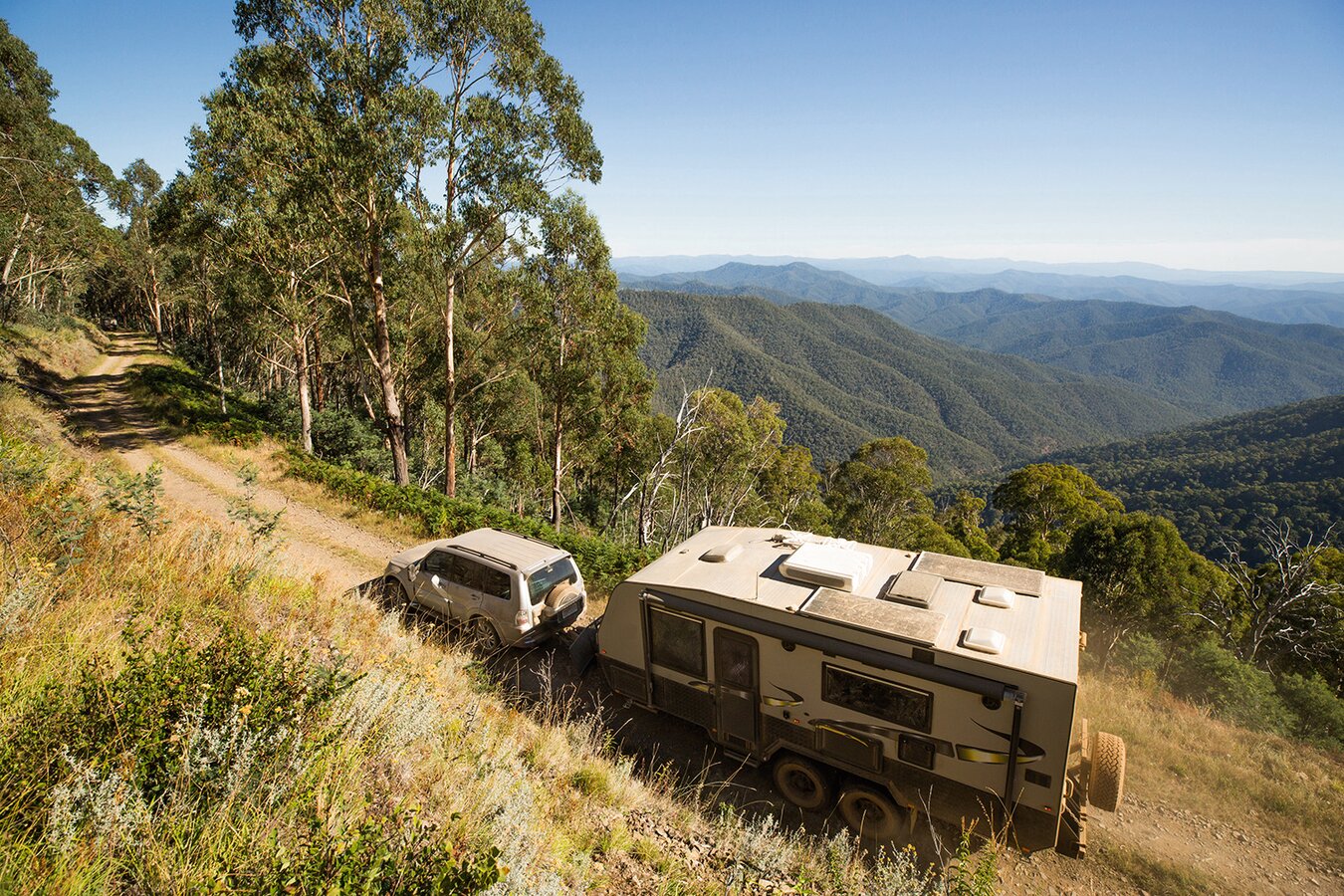
- Going off-road: Stick to accessible tracks. Avoid leaving tracks on meadows or fields – damage to nature or property can cost a lot.
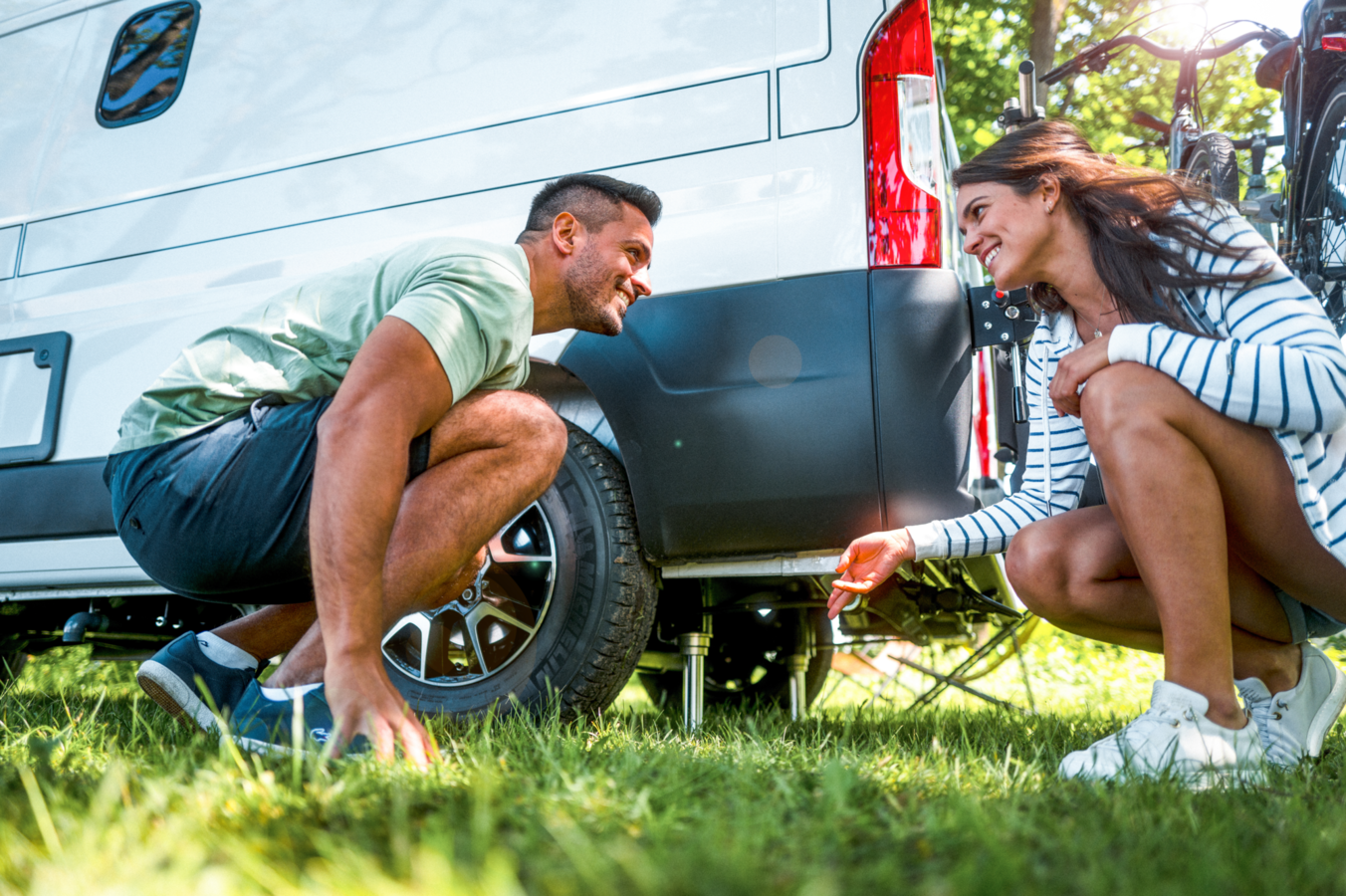
- Ignoring safety aspects: A vehicle parked on a slope can mean a restless night. Use support legs or chocks to ensure you’re level and safe.
Equipment: Must-haves for wild campers
The right equipment is the key to an enjoyable wild camping experience. If you’re well prepared, you’ll enjoy extra comfort, sleep better, and can remain self-sufficient even far from official campsites. These essentials should never be left at home on any trip:
- Support systems or chocks: For a level, stable base – especially on uneven ground.
- AL-KO VT anti-theft device: Reliably protects your motorhome or caravan.
- Power supply: Power bank or solar panel for lighting, navigation and communication.
- Water & waste water: Fresh water canisters and grey water containers – dispose only at official stations.
- Compact gas cooker: For a hot meal even away from campsites.
- Safety kit: First aid kit, torch and high-visibility vests are must-haves in your luggage.
With this basic equipment, you’ll remain self-sufficient, comfortable and well protected even away from campsites.
FAQ: Frequently asked questions about wild camping
Is wild camping allowed in Germany?
Spending one night in your vehicle is usually allowed; real camping (e.g. setting out chairs) isn’t.
What are the penalties if you break the rules?
Fines can range from €10 to €500, depending on country and region.
How do I dispose of grey water?
Always at official disposal stations, never in nature!
Can I barbecue or light a fire?
Open fires are often forbidden – risk of forest fires! It’s best to use a gas cooker or camping grill.
Which countries are wild camping friendly?
Norway, Sweden, Finland and Scotland are considered paradises for wild campers.
Conclusion: Freedom with responsibility
Wild camping is one of the best ways to experience nature – as long as you follow the rules. If you’re considerate and well prepared, you’ll be rewarded with unforgettable moments.

After subscribing, you’ll receive exclusive information about products, innovations, special offers and more direct to your email inbox.